Trauma-Informed Pediatric Exams
How the LT-300HD Enhances Forensic Medical Exams
Reduce Anxiety and Build Trust
Forensic Medical Examinations (FMEs) are an essential component of child protection and sexual abuse investigations. While these examinations are medically necessary and often non-invasive, research consistently shows that children frequently experience significant anxiety, fear, shame, and uncertainty before and during the process. A recent narrative review published in the Journal of Child & Adolescent Trauma found that nearly half of children undergoing FMEs reported clinically significant anxiety, despite the fact that most examinations are not physically invasive.
For Nurse Examiners (NEs), SANEs, and multidisciplinary teams, this creates an important challenge: how can we reduce anxiety, improve cooperation, and ensure children feel safe and supported throughout the examination?
The answer often lies in preparation, communication, and creating a sense of control. These are also areas where the LT-300HD can make a meaningful difference.
Understanding What Causes Distress
The review highlights that a child’s distress is often influenced less by the examination itself and more by uncertainty surrounding the experience. Fear of the unknown, unfamiliar medical equipment, concerns about bodily exposure, previous trauma, and caregiver anxiety can all contribute to heightened emotional responses. Children who do not receive clear explanations may even interpret the examination as threatening or punitive rather than as a healthcare encounter.
Research consistently identifies predictability, transparency, and a sense of control as critical factors in reducing procedural anxiety. When children understand what is happening and why, they are better able to cope with the experience.
Turning Technology Into a Reassurance Tool
The review notes that medical equipment, photography devices, and colposcopy systems can appear intimidating to children when they do not understand their purpose. Unfamiliar equipment can increase anticipatory anxiety and reinforce feelings of fear and uncertainty.
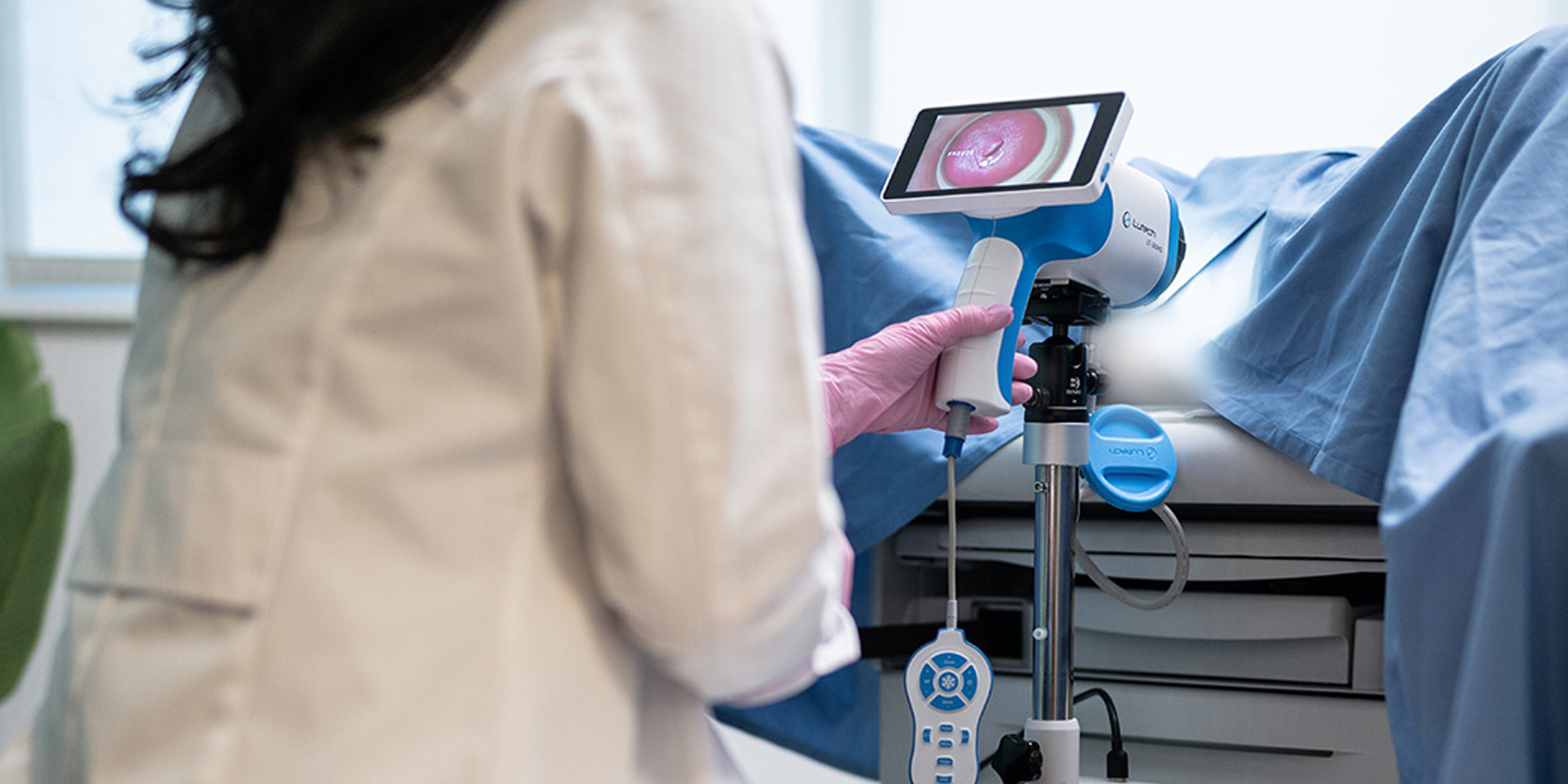
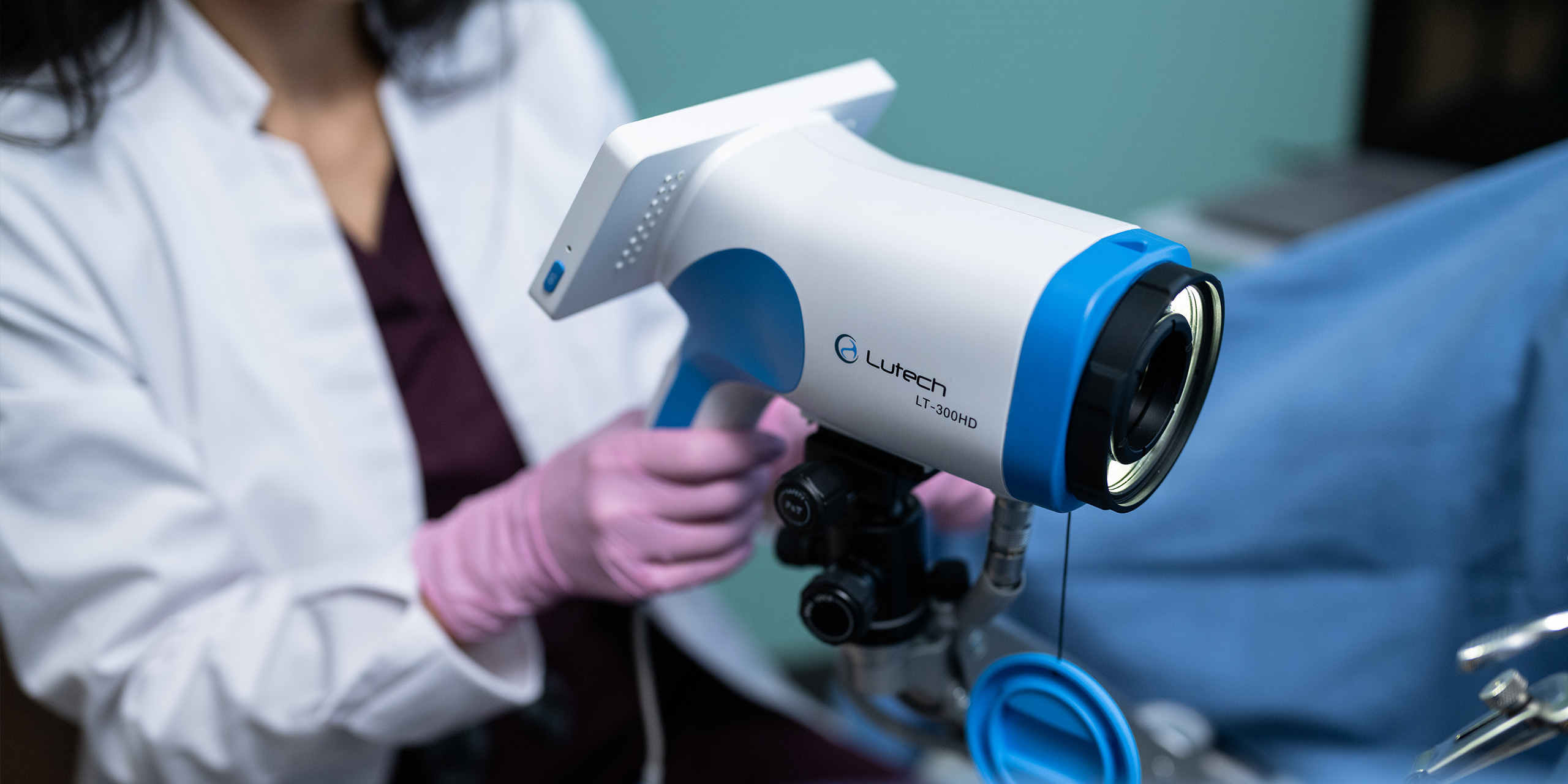
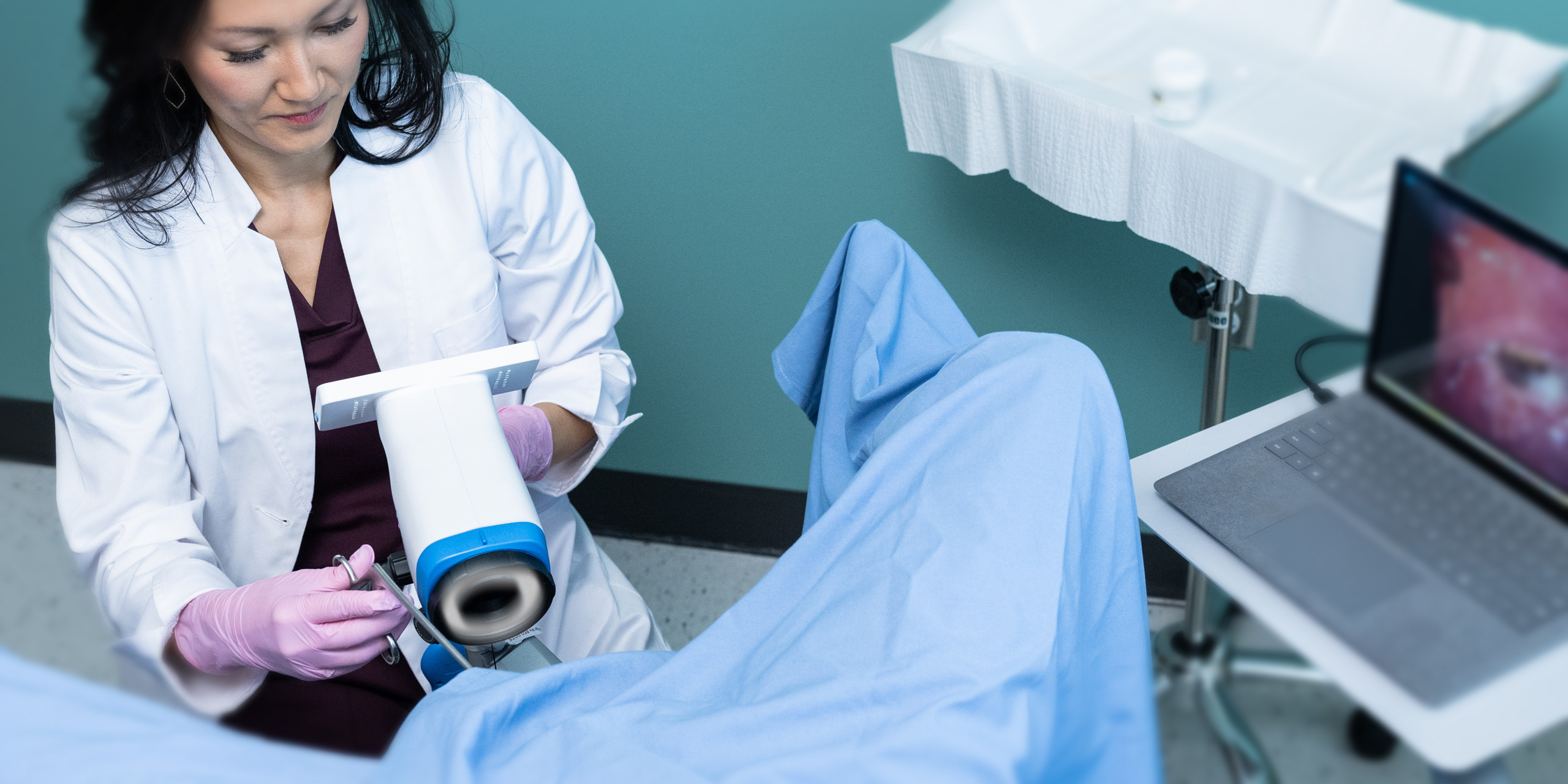
The LT-300HD helps transform that experience by making the examination process more transparent. Because the LT-300HD displays live, high-definition images on a monitor, Nurse Examiners can use the technology as both an educational and reassurance tool before and during the examination.
Rather than simply telling a child what is about to happen, the examiner can show them.
Instead of saying:
“I’m going to use this camera now.”
The examiner can explain:
“This is simply a camera that helps me see clearly and make sure you are healthy.”
This visual transparency reduces uncertainty and helps children understand exactly what is happening. The literature repeatedly identifies predictability as a critical factor in reducing procedural anxiety. By allowing children and caregivers to see what the examiner sees, the LT-300HD supports that predictability in real time.
The result is often a child who feels less intimidated, more engaged, and more willing to participate in the examination process. Rather than being something that is happening to them, the examination becomes something they can better understand.
Reducing Caregiver Anxiety
The review also found that caregiver emotions have a direct impact on a child’s experience. Children whose caregivers are calm and supportive generally exhibit lower levels of distress, while caregiver anxiety often increases a child’s anxiety.
The LT-300HD gives Nurse Examiners an opportunity to educate and reassure caregivers throughout the examination process. By visually demonstrating what is occurring and explaining findings in real time, examiners can help caregivers feel more informed and comfortable. As caregiver confidence increases, children often feel safer and more supported as well.
Improving Educational Preparation
One of the strongest conclusions in the review is that educational preparation is among the most effective strategies for reducing pediatric procedural anxiety. The authors found that preparation reduces uncertainty, increases predictability, and improves a child’s sense of control—three factors that are closely linked to better emotional outcomes during FMEs.
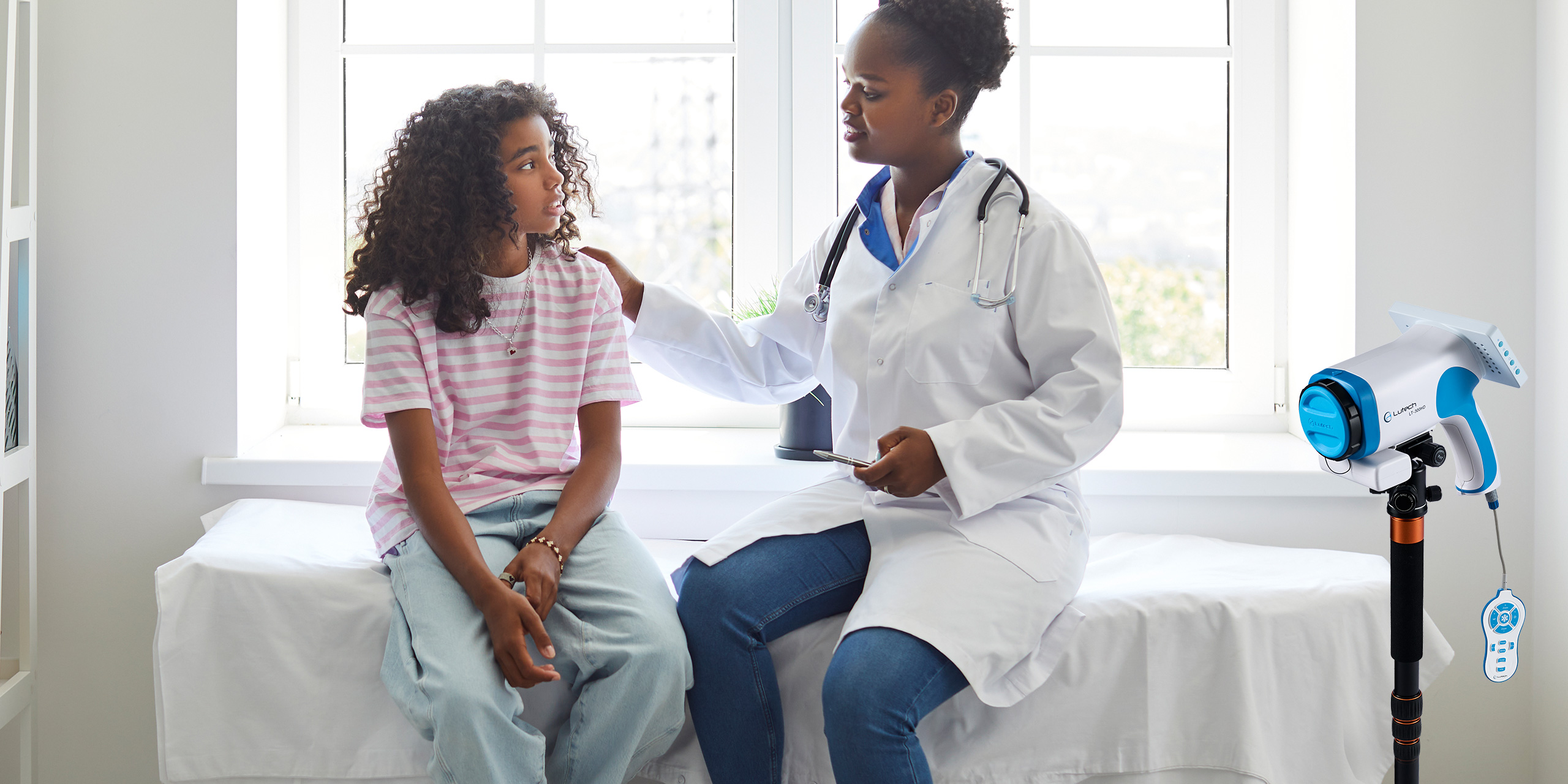
The LT-300HD can play an important role in that preparation process. By introducing the equipment before the examination begins, Nurse Examiners can help children become familiar with what they will see and experience, making the environment feel less intimidating and more understandable.
Before the examination begins, Nurse Examiners can use the LT-300HD to:
- Show children what the camera and imaging system look like
- Demonstrate how images are captured
- Explain each step of the examination process
- Familiarize children with the equipment they will see
- Answer questions visually rather than relying solely on verbal explanations
These simple interactions help transform an unknown experience into a predictable one, reducing fear and supporting cooperation throughout the examination.
Supporting Better Emotional Outcomes
The review concludes that distress during pediatric FMEs is often influenced by modifiable aspects of care delivery, including communication, preparation, caregiver involvement, and trauma-informed practices.
The LT-300HD supports each of these areas by helping Nurse Examiners create a more transparent, child-centered experience. While the system is widely recognized for its imaging and documentation capabilities, its greatest impact may be its ability to reduce fear, build trust, and support emotional safety during one of the most sensitive healthcare encounters a child may experience.
For organizations committed to trauma-informed forensic care, the LT-300HD is more than an imaging device—it is a tool that helps children and caregivers better understand the examination process, reducing anxiety while supporting a more positive overall experience.
Source: Ramírez-Rivera, E., Pérez-Laras, L., & Laras, L. “Distress in Pediatric Forensic Medical Examinations: A Narrative Review with Implications for Puerto Rican Youth.” Journal of Child & Adolescent Trauma (2026).
Learn More About the LT-300HD
If your organization is looking for ways to enhance trauma-informed care, improve patient engagement, and support better experiences during forensic medical examinations, the Lutech LT-300HD can help.
Contact Lutech today to schedule a demonstration and learn how we are helping Nurse Examiners create more transparent, child-centered forensic examination experiences.